
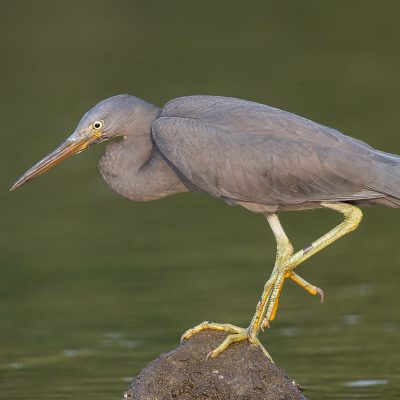
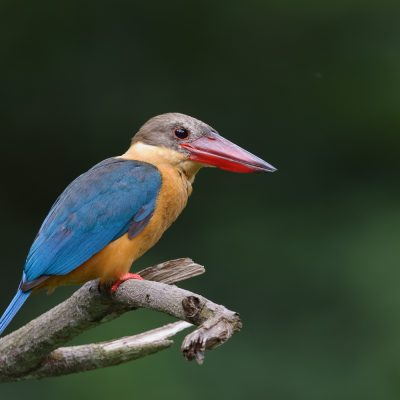

winding mangrove creeks, and pristine coastal habitats that harbor some of the world’s rarest birds. Each journey is guided by passionate local experts who combine deep field knowledge with genuine conservation commitment. Beyond exceptional birding, you’ll witness breathtaking island landscapes: volcanic peaks emerging from morning mist, coral reefs shimmering beneath turquoise waters, and sunsets painting the Bay of Bengal in hues of gold and crimson.
The Founder of Andaman Bird Tour
Arun Singh, founder of Andaman Bird Tour, embodies the spirit of the islands he calls home. Born and raised amidst the unique biodiversity of the Andamans, his journey into travel and birding was, perhaps, inevitable.
His professional journey began in 2013 when he entered the Andaman tourism industry, quickly distinguishing himself through an authentic understanding of the islands’ hidden corners. However, it was a pivotal moment in 2016 that transformed his trajectory: completing the rigorous Bird Watchers Training program conducted by the Department of Forests. This certification marked his formal evolution into a birder, bird educator, and professional guide, channeling his local expertise into specialized avian knowledge.
This dedication to conservation finds its most passionate expression in the “Udhne Do Humein” initiative, which Arun leads with unwavering conviction. Translating to “Let Us Fly,” this campaign confronts the persistent threat of air-gun hunting in the Andamans, working to protect vulnerable bird populations through advocacy, education, and community engagement. For Arun, every tour is an opportunity to convert visitors into conservation allies, ensuring that the islands’ extraordinary birds continue to soar for generations to come.
The avifauna of the Andaman & Nicobar Islands represents one of India’s most distinctive birding destinations, where ancient endemics, regional specialties, and far-flung migrants converge across lush archipelagic landscapes.
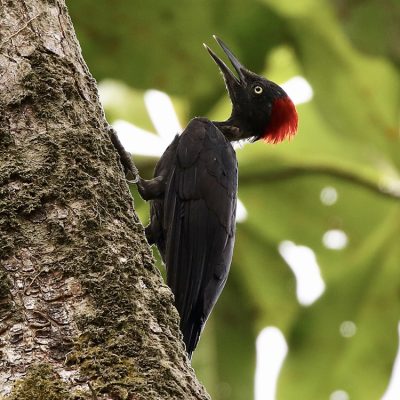
The Andaman & Nicobar Islands shelter 23 endemic birds, from the majestic Wood Pigeon to the elusive Narcondum Hornbill and Nicobar Megapode, each a living testament to evolution’s artistry in isolation.
Beyond endemics, the islands host rare regional specialties: Nicobar Pigeons in iridescent glory, Ruddy Kingfishers flashing through mangroves, Beach Thick-knees stalking shores, and Pied Imperial Pigeons streaming across turquoise waters at sunset.
Each winter, the Andamans transform into a vital stopover along the East Asian-Australasian Flyway, welcoming waders, terns, and warblers that journey thousands of kilometers to rest, feed, and refuel in these tropical island havens.

We first learn about your birding objectives, experience levels, and species of interest. Whether you're on a quest for endemics or capturing images of rarities, we'll craft an itinerary that matches your goals with reality.

Our team of experts will help you plan a day-by-day itinerary that includes the exact locations for birding, alternative routes in case of bad weather, and the best time for birding activities.

Your island-born guide tracks rare species, decodes behaviors, and reveals hidden ecosystems, transforming every walk into an immersive masterclass in Andaman avifauna.

From first inquiry to final sighting, we craft seamless, personalized journeys into the heart of Andaman birding. Plan, explore, discover, conserve: four steps to extraordinary encounters.
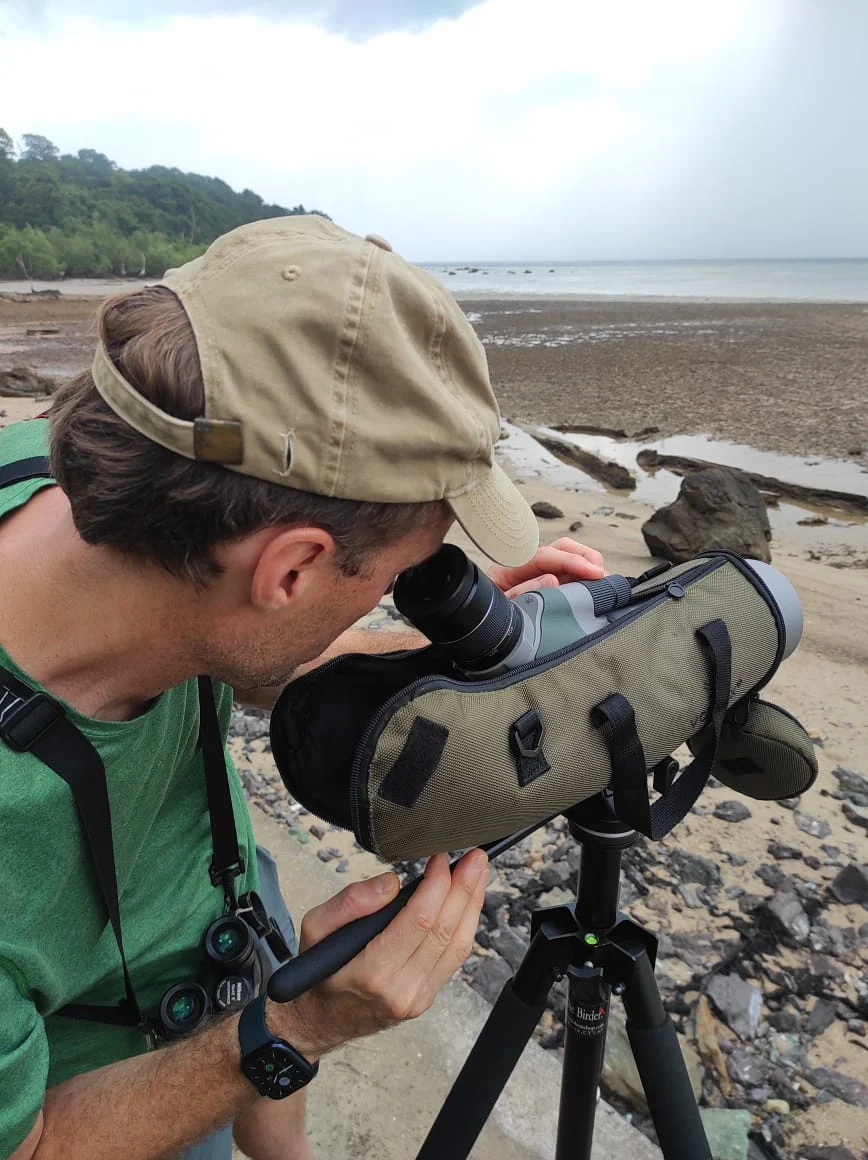
Everything you need to plan your Andaman birding adventure. Find answers on timing, permits, species, logistics, and what to expect before you step into our island forests.
The optimal window spans October to April, when northeast monsoons retreat, trails dry out, and winter migrants swell the birding lists. November through February offers peak conditions—pleasant temperatures, clear skies, and maximum species diversity including both resident endemics and arriving migrants.
With dedicated effort across multiple habitats over 5-7 days, birders typically encounter 15-18 of the 20+ Andaman endemics. The full suite—including trickier species like Andaman Crake and Narcondum Hornbill—requires targeted searches, local expertise, and some luck, but most core endemics are reliably achievable.
Yes. While South Andaman and nearby islands are accessible freely, tribal reserves, protected forests, and outlying islands (including Narcondum for the hornbill) require permits from the Andaman Administration. We handle all paperwork in advance, ensuring seamless access to restricted birding hotspots without bureaucratic delays.
We typically respond within 24 hours with detailed, personalized guidance to help you plan your perfect Andaman birding experience.